The problem & the solution
A missing form affects everyone at the scene.
A patient collapses away from home. Their family knows a DNR exists, but the signed order is in a drawer somewhere else. Responders must make an immediate decision with the information available.
01 / THE PATIENT
Their care should reflect their wishes.
A person with a valid DNR has chosen to decline resuscitation. If that order cannot be located or verified, CPR may begin while the situation is clarified. Resuscitation can cause rib fractures, and a survivor may face hospitalization, further treatment, and medical expenses they had hoped to avoid.
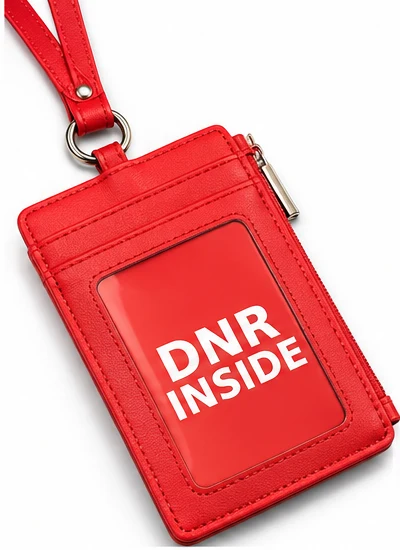
Keeping the actual order visible and nearby helps responders locate and review the patient’s documented wishes.
02 / THE RESPONDER
A difficult decision needs clear documentation.
A family member may insist, “They have a DNR,” while the crew has no order to review. Depending on local protocols, responders may need to begin resuscitation while seeking verification or medical direction, even as loved ones plead for them to stop. That creates a difficult clinical, legal, and emotional situation.
Accessible paperwork supports verification and care that follows valid orders and the applicable EMS process.
03 / FAMILY, FRIENDS & BYSTANDERS
Help them advocate when words are difficult.
Watching chest compressions and other invasive resuscitation procedures can be distressing, especially when loved ones believe the patient chose to decline them. Having to search for a form or explain the patient’s wishes adds pressure to an already overwhelming moment.
A clearly identified holder gives those at the scene a place to look and paperwork they can hand to the responding crew.